Access Control Installation
Boston's commercial corridors — from the dense office blocks around Post Office Square to the mixed-use buildings lining Washington Street in the South End — rely on more than a traditional deadbolt to keep their doors secure. Keypads, key fobs, card readers, and electronic strikes give building managers granular control over who enters, when, and through which door. Ray Boston Locksmiths installs, programs, and services these systems as a fully mobile operation, meaning our trained, insured technicians come directly to your property, whether that's a single-tenant retail unit in Allston or a multi-floor office in the Financial District.
Open 24 hours, 7 days a week · Licensed, bonded & insured
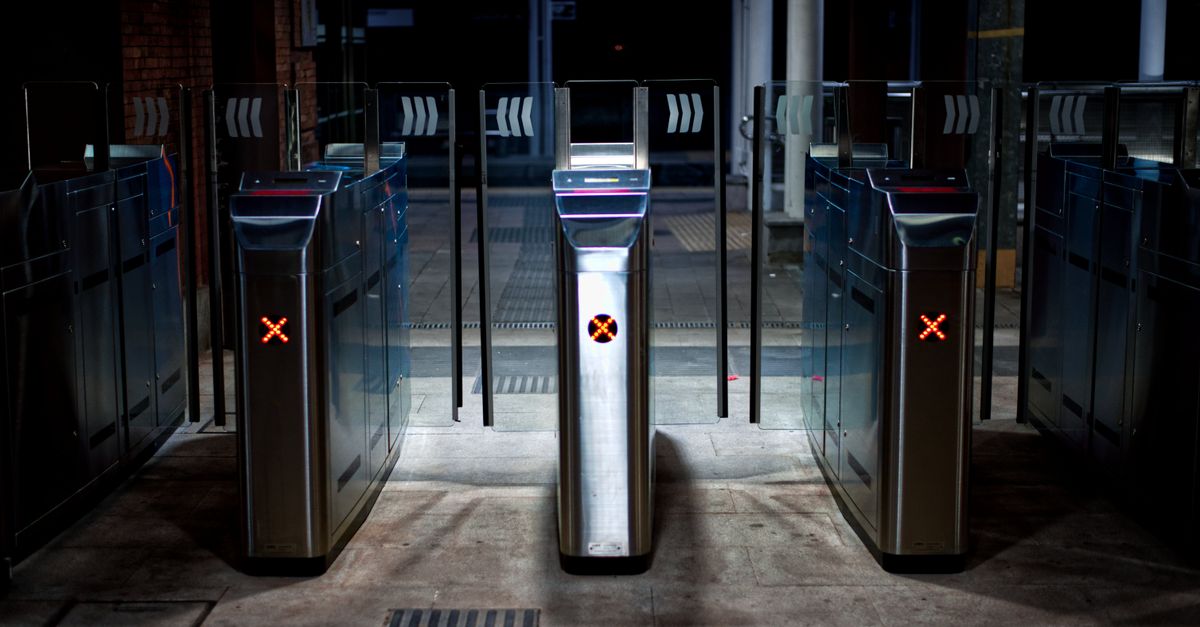
“What separates a professional access control installation from a DIY attempt is the hardware beneath the surface. The workhorse of any serious commercial entry point is an access control mortise lock — a full-body lock cartridge that sits inside the door edge and integrates seamlessly with electronic readers, request-to-exit sensors, and door position switches. Getting that integration right requires hands-on experience with commercial door frames, proper handing, and the wiring that ties the lock to the control panel. Our team handles every part of that process, and we confirm an exact up-front price before a single screw is turned.
What we do
Available 24/7
Day, night, weekends and holidays — a real local locksmith answers and rolls a fully-stocked van.
Fast local response
Based in Boston, we reach the Boston area in well under an hour.
Insured & background-checked
Vetted technicians, up-front pricing, and no surprise add-ons when we arrive.
Damage-free entry
We pick and bypass locks the right way, so most lockouts are solved without drilling anything.
What Goes Into a Commercial Access Control Installation
A complete access control system installation involves several interlocking components, and understanding them helps you make smarter decisions for your building. The reader — whether a keypad, proximity fob reader, or smart card scanner — sits on the exterior face of the door. The electric mortise lock or electric strike sits inside or on the frame, and a control panel or access controller (sometimes cloud-based) ties everything together. Wiring must be run cleanly and, where possible, concealed to prevent tampering. Our technicians assess your door type, frame material, and existing hardware before recommending a configuration, so you are never paying for components your setup does not actually need.
Boston's older commercial stock presents a specific challenge: many buildings in neighborhoods like Beacon Hill or the Back Bay have heavy wood or steel-wrapped historic doors that require careful measurement and, occasionally, custom mortise pocket routing. We approach every job with a damage-free mindset, using the right cutting and drilling tools for the material at hand rather than forcing hardware that does not fit. When a building's construction genuinely requires modification, we explain exactly what is involved before proceeding.
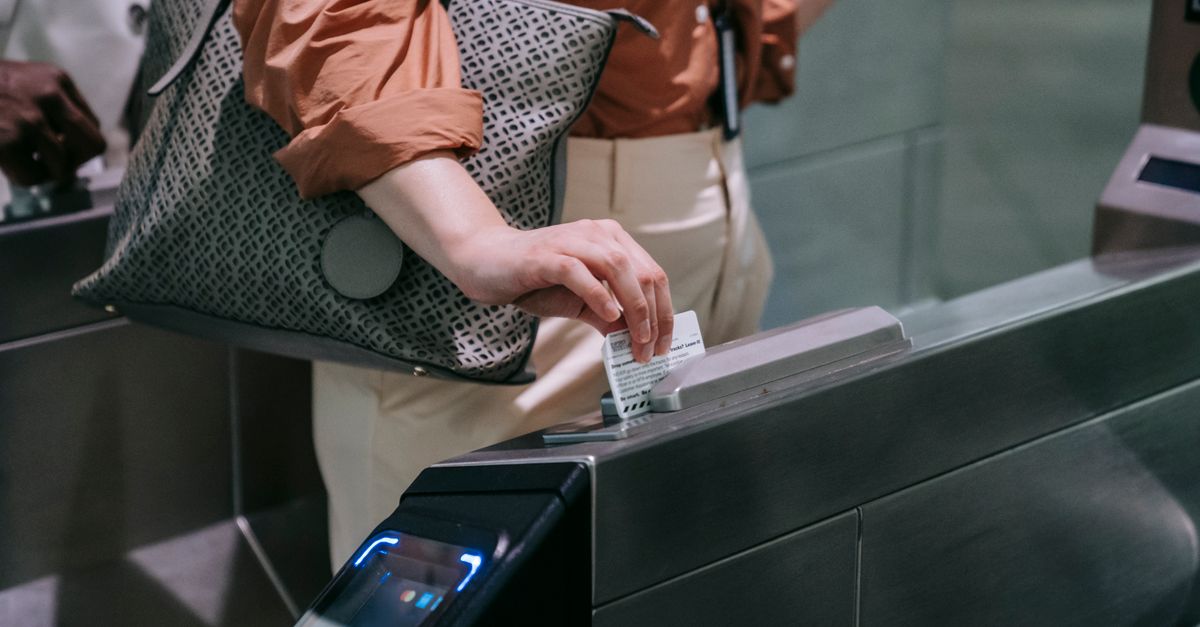
Access Control Mortise Lock Options for Commercial Doors
The access control mortise lock is the foundation of a secure electronic entry point. Unlike a cylindrical lockset that simply replaces a knob bore, a mortise body is recessed into the door edge and provides a latch, deadbolt, and electrified function all in one unit. When a valid credential — a fob tap, a correct PIN, or an authorized card swipe — is received, the lock releases the deadbolt or retracts the latch motor, allowing entry without a physical key. This matters enormously in high-traffic commercial environments where issuing and collecting physical keys is impractical and where audit trails of entry events are legally or operationally important.
We work with a range of mortise lock formats to suit different door weights, fire-rating requirements, and credential systems. Some installations pair a mortise lock body with a standalone keypad that stores credentials locally — a good fit for small offices or storage rooms. Others connect to a networked panel that allows a property manager to add or delete fob credentials remotely, which is invaluable when an employee leaves a company. We also handle access control system replacement when an existing electronic lock has reached end of life or when a business is upgrading from an outdated proximity card format to a more secure encrypted credential.

Keypads, Fobs, and Readers — Choosing the Right Credential for Your Boston Property
No single credential type is right for every door. PIN keypads are cost-effective and require no physical token, but shared codes can be passed along unintentionally and are harder to audit. Key fob systems assign a unique encrypted credential to each user, meaning that if a fob is lost or an employee departs, that single credential can be deleted from the system without affecting anyone else. Smart card readers using high-frequency encrypted cards offer a similar audit trail with added resistance to cloning. Biometric readers — fingerprint or palm-vein — are increasingly common in server rooms and pharmaceutical storage areas where the highest level of credential verification is required. Ray Boston Locksmiths helps you match the credential type to your actual risk level and daily traffic volume, not just the most expensive option on the shelf.
If you are not sure where to start, call (617) 203-5640 — we answer 24/7 and can walk you through the options for your specific door count, building type, and operational needs before scheduling an on-site assessment.

Access Control System Repair, Reprogramming, and Ongoing Service
Even well-installed systems need attention over time. Electric mortise locks develop worn latch mechanisms. Wiring connections corrode in high-humidity environments like parking-level entry doors near Boston Harbor. Control panels lose their programming after a power surge. When any of these happen, you need access control system repair that is fast and does not require waiting days for a specialty contractor. Because Ray Boston Locksmiths operates as a 24/7 mobile service, we can respond to a malfunctioning commercial entry the same day — or the same hour — rather than leaving your team propping doors open or locking everyone out.
Reprogramming is one of the most overlooked maintenance tasks for electronic entry systems. Adding new users, deleting former employees, adjusting time-zone schedules (so a door unlocks automatically during business hours but requires a credential after hours), and updating firmware on smart readers all require someone who understands the specific panel and lock combination installed at your site. Our technicians document the systems they install and service, so a return visit is never starting from scratch. We also respond to requests for access control system locksmith near me calls from businesses throughout Greater Boston — from Cambridge and Somerville to Quincy and Brookline — as a fully mobile team with no fixed shopfront you need to travel to.
A Full Picture: Commercial Locksmith Services We Provide
Beyond electronic access control, our commercial locksmith work covers the full range of door hardware and security needs a Boston business is likely to encounter. Below is a representative list of the specific services our technicians perform on commercial properties every week: access control mortise lock installation and replacement; electric strike installation for aluminum storefront doors; keypad programming and credential management; key fob system enrollment and deletion; smart card reader installation; biometric reader mounting and enrollment; door position switch and request-to-exit sensor wiring; access control panel installation and configuration; network and cloud-based access controller setup; access control system repair for failed latch motors and solenoids; master key system design and cutting; commercial deadbolt installation and replacement; cylindrical lever lockset installation; mortise lockset replacement on wood and steel doors; panic bar and exit device installation; door closer installation and adjustment; frame reinforcement and strike plate upgrade; high-security cylinder rekeying; commercial lock rekeying after staff turnover; duplicate key cutting for commercial keyways; broken key extraction from commercial locks; door alignment adjustment to eliminate binding; peephole installation for commercial entry doors; intercom system integration with electronic locks; and emergency commercial lockout response available around the clock. Every service begins with a site assessment and a confirmed price before any work starts.
Pricing Factors and What to Expect on the Day
The cost of an access control installation or repair visit depends on several variables, and we believe you deserve to understand them before agreeing to anything. The primary factors are the type and brand of lock hardware required, the number of doors being wired or serviced, the complexity of the door frame and whether any routing or frame modification is needed, the credential system chosen (standalone keypad versus networked panel), the time of day (after-hours and weekend calls involve a different rate structure), and travel distance to your location within the Greater Boston area. Once our technician has assessed the door and discussed your requirements, you receive a single confirmed price before any work begins — no invoices that balloon after the fact. Call (617) 203-5640 any time, day or night, to get the conversation started.
Frequently asked questions
What is an access control mortise lock and why do most commercial doors use one?
A mortise lock is a full-body lock mechanism that fits into a rectangular pocket routed into the edge of the door, as opposed to a cylindrical lock that fits through a drilled hole in the face. In an access control context, the mortise body contains an electrified component — typically a motor or solenoid — that retracts the latch or deadbolt when it receives an authorized signal from a keypad, fob reader, or card scanner. Commercial doors favor this format because the full-body construction is significantly more resistant to forced entry than a cylindrical lockset, and because the mortise chassis can house multiple functions — latch, deadbolt, and electric release — in a single unit without adding bulky external hardware.
How much does a locksmith cost in my area for an access control installation?
There is no single flat figure because the final price depends on several factors specific to your project: the number of doors, the type of credential system you choose (standalone keypad, networked fob system, or biometric), the lock hardware selected, whether frame modification is required, the time of day, and travel distance within Greater Boston. What we can tell you is that Ray Boston Locksmiths confirms an exact price with you before any work begins, so there are no surprises on the invoice. To get a precise figure for your property, call (617) 203-5640 and describe the doors and system you have in mind.
What is a locksmith call-out fee?
A call-out fee — sometimes called a service fee or dispatch fee — is the charge a locksmith applies simply for traveling to your location and showing up, separate from the cost of the actual work. At Ray Boston Locksmiths, we are transparent about all components of your quote before we begin. When you call (617) 203-5640, we discuss your situation, provide a clear breakdown of what the visit will involve, and confirm the total price before dispatching. We never present hidden fees after the work is complete.
Can you repair or reprogram an existing access control system, or do I need a full replacement?
In many cases, access control system repair is the right call rather than a full replacement. A failed electric strike, a worn mortise latch motor, a wiring fault, or corrupted panel programming can often be resolved without replacing the entire installation. Our technicians diagnose the specific fault first. If a lock body has reached the end of its mechanical life, or if the control panel is an obsolete model that no longer accepts firmware updates or supports current credential formats, we will tell you honestly that an access control system replacement makes more practical sense. You will never be steered toward a more expensive option when a targeted repair will solve the problem.
What are the safest neighborhoods in Boston, and does location affect my security hardware needs?
Neighborhoods like West Roxbury, Roslindale, and parts of the South End consistently rank among Boston's lower-crime commercial areas, while high-traffic zones near Downtown Crossing, Kenmore Square, and some stretches of Dorchester see higher rates of commercial break-ins. That said, the security hardware appropriate for your business depends less on neighborhood ranking and more on your specific risk profile — the value of what you store, how many staff members need access, whether the building has after-hours occupancy, and how many entry points need to be controlled. Our technicians help you assess those factors rather than applying a one-size-fits-all recommendation based on zip code.
What does a locksmith do during a commercial access control installation visit?
During a commercial access control installation, a Ray Boston Locksmiths technician will first assess the door — its thickness, frame material, existing hardware cutouts, and fire-rating requirements. They will then route or modify the door edge as needed to accept the mortise lock body, install the lock chassis, mount the credential reader on the exterior face, run and connect the wiring between the reader, the lock, and the control panel, program the panel with initial user credentials and any time-zone schedules you require, test every function including request-to-exit and door position sensing, and walk you through adding and deleting users going forward. The goal is to leave you fully operational and confident in managing the system yourself, not dependent on a return visit for basic changes.