Ray Boston Locksmiths Service Team
Local locksmith team
Aug 13, 2026 11 min read
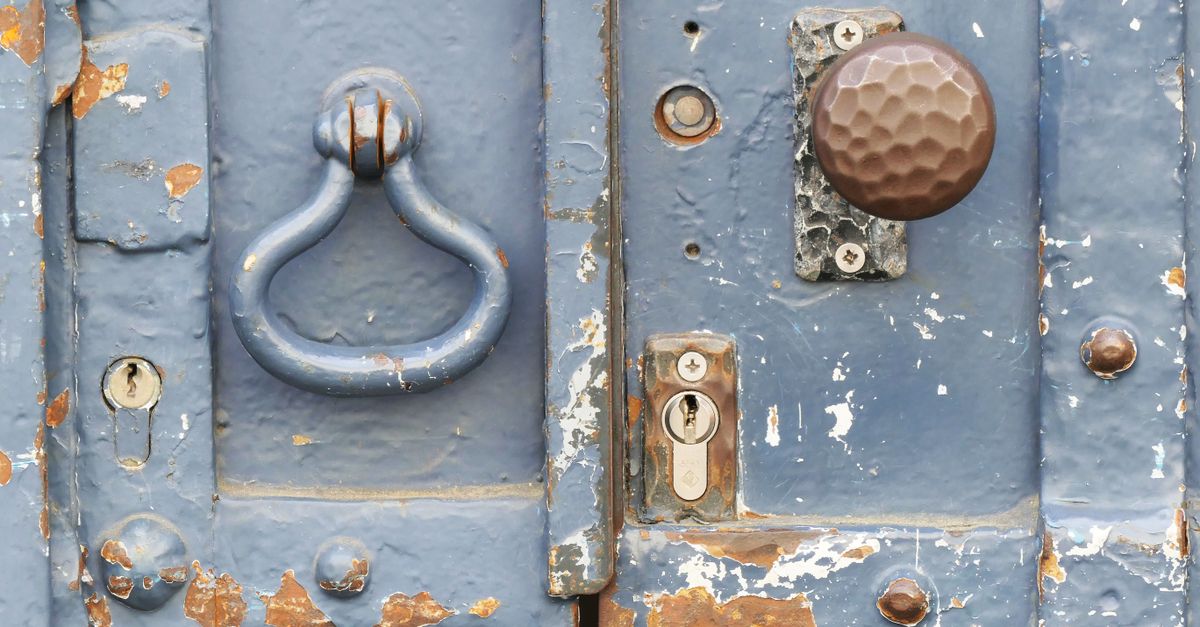
If you live in a Back Bay brownstone, a South End row house, or anywhere along the brick-lined streets between Commonwealth Avenue and Tremont Street, your front door almost certainly hides a piece of Victorian engineering inside the lock case: a mortise lock. These deep, rectangular mechanisms were built into the door stiles before most of Boston's current residents were born, and for decades they worked perfectly. But age, Boston winters, and generations of painted-over strike plates have a way of humbling even the best hardware — and when a mortise lock starts to fail, it rarely fails quietly.
At Ray Boston Locksmiths, we respond to mortise lock calls across the Boston area every week. We see the same patterns of wear, the same frozen spindles, and the same homeowners standing in a January doorway wondering why the key just stopped turning. This article explains exactly why these locks break down and what a skilled locksmith actually does to bring them back to life — so you know what to expect before you ever need to make that call.
## What a Mortise Lock Is and Why Back Bay Brownstones Are Full of Them
A mortise lock is a self-contained lock assembly — deadbolt, latch, and sometimes a night latch all in one steel case — that slides into a deep pocket (the 'mortise') cut into the edge of a door. Unlike a cylindrical door knob lock, which is bored through the face of the door and held by two screws, a mortise lock is recessed entirely inside the door stile. That design gives it exceptional strength and a clean profile, which is exactly why Boston's brownstone builders favored it from the 1860s through the 1920s. Walk down Marlborough Street or Beacon Street today and you will find the same Baldwin, Corbin, and Yale mortise cases that went in when the row houses were first built — still in service, still doing their job, at least most of the time.
The mortise format also means that servicing the lock requires more than swapping a cylinder. The entire mechanism — springs, cams, levers, and the hardened steel bolt — lives inside that recessed case, and reaching it means removing trim, backing out a set screw on the knob spindle, and drawing the case from the mortise pocket without splitting a door stile that may be 150 years old. That is why mortise lock work is a specialty, not a quick fix, and why calling an experienced locksmith rather than attempting a DIY extraction is the right move for historic wood doors.
## The Five Reasons Mortise Locks Fail in Boston's Old Row Houses
Dry lubrication is the single most common culprit. Original mortise cases were packed with grease at the factory, but that lubrication dries out and turns to a gummy residue over decades. When the internal cams and levers bind, the key feels stiff, the knob turns halfway and stops, or the bolt retracts unevenly. A second major cause is spindle wear: the square steel spindle that runs through the door and connects both knobs to the internal hub wears oval over time, causing the knob to slip without engaging the latch. Third, the adjustable tailpiece that links the cylinder to the cam can slip out of position, especially in locks that have had cylinders swapped by previous owners without aligning the tailpiece correctly.
Boston's climate adds two more failure modes unique to this region. Seasonal wood movement is significant in a city that swings between humid July heat and dry February cold — brownstone doors expand and contract enough to shift the door in its frame, throwing the bolt off-center with the strike plate. When the bolt has to force its way home at an angle, the mechanism wears unevenly and the internal springs fatigue faster. Finally, paint is the quiet destroyer of historic hardware. Generations of paint applied over the face plate, strike plate, and even the keyhole escutcheon can jam the bolt travel, freeze the knob collar, and seal the cylinder so thoroughly that the key can no longer rotate freely. We regularly encounter mortise cases where the lock has effectively been painted shut.
## How a Professional Locksmith Restores a Mortise Lock — The Real Process
When our team arrives at a brownstone on, say, Newbury Street or West Canton Street, the first step is a full door assessment before touching the lock. We check the door alignment in the frame, measure the gap at the strike plate, and confirm the bolt throw is centered. If the door has dropped or racked, no amount of lock work will produce a smooth action until the hinge side is addressed. Once we confirm the door geometry is sound, we remove the interior trim rose, back out the set screw on the spindle, and draw the knob and spindle out as a unit. The face plate screws come next, and the mortise case slides out of the pocket.
Inside the case, we clean out decades of dried lubricant with a solvent, inspect every spring and lever for fatigue cracks, and measure the cam and hub for wear. If a spring is broken — very common in cases over 80 years old — we source a replacement from our stock of period-compatible parts or fabricate one on the spot. We do not automatically recommend replacing the entire case; a well-made antique mortise mechanism is often worth restoring rather than discarding. Once the internals are cleaned, reassembled, and freshly lubricated with a modern lithium-based grease that will not dry out for years, we re-key or re-pin the cylinder to your current key. The case goes back into the mortise pocket, the spindle is aligned, and we test the full action — key, knob, deadbolt throw, and strike plate engagement — before we call the job done. If the door knob lock on the exterior collar is also worn, we address that in the same visit rather than leaving half the mechanism tired.
## Emergency Locksmith Response When Your Mortise Lock Fails at the Worst Time
Mortise lock failures do not schedule themselves courteously. We field emergency locksmith calls for brownstone lockouts on Sunday nights, during nor'easters, and at 2 a.m. when the spindle finally gives out after months of warning signs the homeowner understandably ignored. If you are locked out of a Back Bay or South End property, the first practical steps are always the same: check whether a rear entrance through the alley or a basement-level door is accessible, and confirm that a trusted neighbor or property manager does not hold a spare key. Never force a mortise lock with a credit card or attempt to pry the face plate — the door stile in an old brownstone is often the only thing standing between a functional door and an expensive joinery repair, and a forced-entry attempt almost always creates more damage than the lockout itself.
When those options are exhausted, call us at (617) 203-5640. We are a 24/7 mobile locksmith team, which means a real person answers at any hour and a trained technician is dispatched — not a call center hand-off. We will verify ownership or tenancy on arrival (a lease, utility bill, or photo ID with the address), then use non-destructive entry techniques appropriate to the specific mortise lock model before us. In most cases we can restore access and service the lock in a single visit, so you leave the encounter with a better-functioning lock than you had before the lockout. The final price depends on the time of the service call, the complexity of the lock, travel to your address, and whether parts are needed — we confirm an exact up-front quote before any work begins, with no surprises on the invoice.
## Beyond Restoration: Lock Change, Security Upgrades, and Our Full Residential Locksmith Services
Sometimes restoration is not the right answer. If a mortise case is cracked, if the bolt mechanism is beyond economical repair, or if a homeowner has recently moved into a property and wants a complete lock change with verified fresh keys, we install modern high-security mortise assemblies that fit the existing door pocket without altering the historic door stile. Brands like Schlage offer mortise cylinders that accept high-security keyways and are pick- and drill-resistant — a genuine step up from original hardware without compromising the brownstone aesthetic. This is the practical heart of what we mean by a residential locksmith service: not just emergency response, but helping homeowners think through their actual security posture.
Our residential locksmith work across the Boston area includes: mortise lock repair and restoration, mortise lock cylinder re-keying, full lock change on exterior and interior doors, high-security cylinder upgrades, door knob lock replacement, deadbolt installation and alignment, strike plate reinforcement and relocation, master key system design for owner-occupied multi-families, smart lock conversion and installation, sliding door lock repair, French door multi-point lock service, garage side-door lock replacement, window lock installation, mailbox lock re-key, padlock replacement, safe opening and combination change, car lockout response, automotive key cutting and programming, transponder key duplication, key fob replacement, commercial locksmith services for small businesses, commercial deadbolt installation, panic bar and exit device service, access control consultation, and after-hours emergency locksmith response. Whether your need is a single sticky knob on a bedroom door or a whole-building re-key after a tenant turnover, we carry the tools and stock to handle it in one visit. If your brownstone is in Back Bay, the South End, Beacon Hill, the Fenway, or any other Boston neighborhood, you are already in our service area — call (617) 203-5640 any time, day or night.
Frequently asked questions
How much does a locksmith cost in my area — and what determines the price for a mortise lock repair?+
There is no single flat rate for mortise lock work because several factors shape the final quote. The type and age of the lock case, whether internal parts need to be sourced or fabricated, the time of day (a late-night emergency locksmith call carries a different cost structure than a scheduled daytime appointment), and travel distance to your address all factor in. At Ray Boston Locksmiths we confirm an exact up-front price with you before any work begins — no estimate ranges that balloon at the end, no hidden fees. Call (617) 203-5640 and describe what you are experiencing; we can usually give you a clear picture of what is involved before we even arrive.
What is a locksmith call-out fee and will I be charged one just to get a quote?+
A call-out fee (sometimes called a service or trip fee) covers the cost of dispatching a technician to your location — it is separate from the labor and parts for the actual job. Not every locksmith structures their pricing the same way. At Ray Boston Locksmiths, we are transparent about how our pricing works when you call: we explain what will be included in your quote, confirm the total before starting work, and do not add surprise charges after the fact. If you have questions about how the pricing is structured for your specific situation, ask when you call (617) 203-5640 — we would rather take two minutes on the phone than leave you uncertain.
What does a locksmith actually do when they repair a mortise lock — can't I just oil it myself?+
A trained locksmith does considerably more than apply lubricant. For a mortise lock, the process involves removing the entire case from inside the door, disassembling the mechanism, cleaning out old dried grease that a spray lubricant cannot reach, inspecting and replacing worn or broken internal springs and cams, checking the cylinder tailpiece alignment, reassembling with fresh long-lasting lubricant, and then verifying the bolt throw, key action, and knob engagement against the strike plate before re-installing. Spraying WD-40 into the keyhole can temporarily loosen a sticky action but it evaporates quickly and leaves behind a residue that attracts grit. For an 80- or 100-year-old mortise case, a proper service by an experienced locksmith will extend the lock's working life by years, not weeks.
Are the neighborhoods around Back Bay safe, and does where I live affect how quickly a locksmith can reach me?+
Back Bay, Beacon Hill, the South End, and the Fenway are all densely served Boston neighborhoods with strong foot traffic and active community presence — they are among the areas where residents and visitors generally feel comfortable at most hours. As for locksmith response time, our 24/7 mobile team operates across the entire Boston area, and proximity to central neighborhoods like Back Bay typically means faster arrival, though we dispatch to every neighborhood we serve. If you are unsure whether your address falls within our range, call (617) 203-5640 and we will confirm coverage and give you an honest estimated arrival window before you commit to anything.